
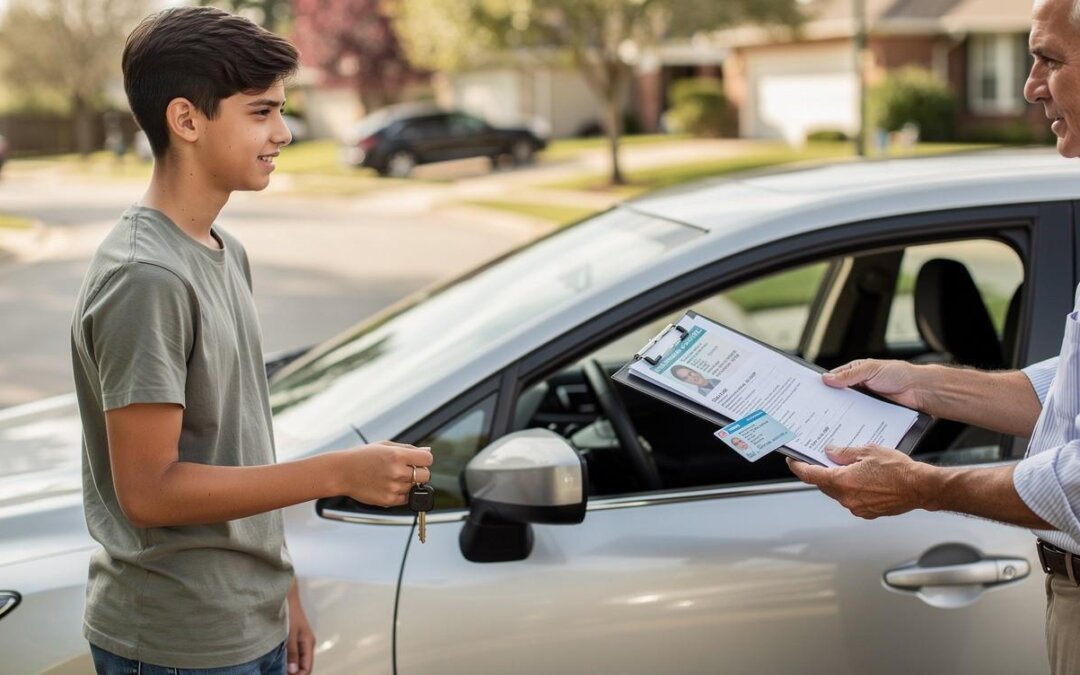
Florida teen auto insurance isn’t optional-it’s a legal requirement and a financial safeguard. Teenage drivers face real risks on Florida roads, from inexperience to unpredictable weather and heavy traffic.
At Providence Insurance Group, we’ve helped countless families navigate coverage options that protect young drivers without breaking the budget. This guide walks you through the coverage types that matter most and practical ways to reduce costs.
Why Teen Drivers Face Higher Insurance Costs in Florida
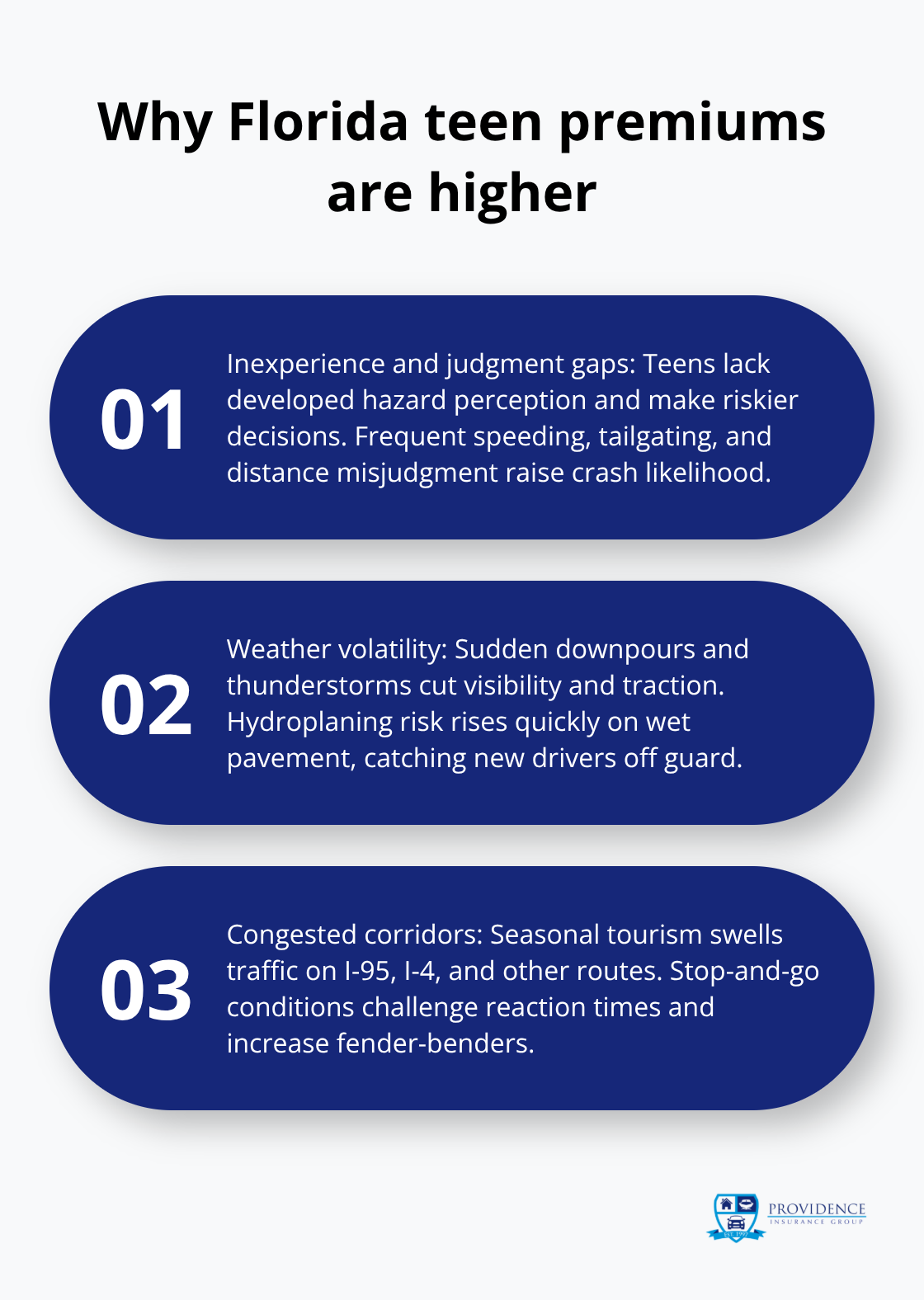
Teenage drivers in Florida face accident rates that demand serious attention. The National Highway Traffic Safety Administration reports that drivers aged 16 to 19 have fatal crash rates three times higher than drivers aged 20 and older. In Florida, this translates to real consequences for families. Teen drivers account for a disproportionate share of traffic accidents despite representing a smaller percentage of the driving population. Inexperience creates the primary problem-teens lack the judgment and reaction time that comes with years of driving. They speed more often, follow too closely, and misjudge distances. Insurance companies recognize these patterns, which is why premiums for teen drivers are significantly higher than for adults.
Florida’s Weather and Road Conditions Amplify Teen Driving Risks
Florida presents unique driving hazards that amplify the risks teens face. Heavy rainfall and sudden thunderstorms reduce visibility and road grip without warning. Teen drivers often underestimate how quickly vehicles hydroplane on wet pavement, which causes loss of control. Additionally, Florida roads carry heavy seasonal traffic, particularly during winter months when tourists flood highways. Interstate corridors like I-95 and I-4 see congestion that tests even experienced drivers. Teen drivers navigating these conditions with limited experience become statistics more easily. Insurance companies factor in these environmental realities when calculating premiums for Florida teen drivers.
Florida’s Minimum Coverage Requirements Fall Short
Florida mandates minimum liability coverage of 10/20/10-meaning $10,000 for bodily injury per person, $20,000 for total bodily injury per accident, and $10,000 for property damage. This is the legal floor, not adequate protection. A single accident involving another vehicle or property can easily exceed these minimums, leaving families liable for thousands in additional costs. Teen drivers should carry coverage well above these minimums because one accident can financially devastate a family. We recommend liability limits of at least 100/300/100 for teen drivers, which provides meaningful protection without excessive cost increases.
Understanding these risks and legal requirements sets the foundation for selecting the right coverage types. The next section explores which specific coverage options protect teen drivers most effectively.
Coverage That Actually Protects Teen Drivers
Liability Coverage: The Foundation of Protection
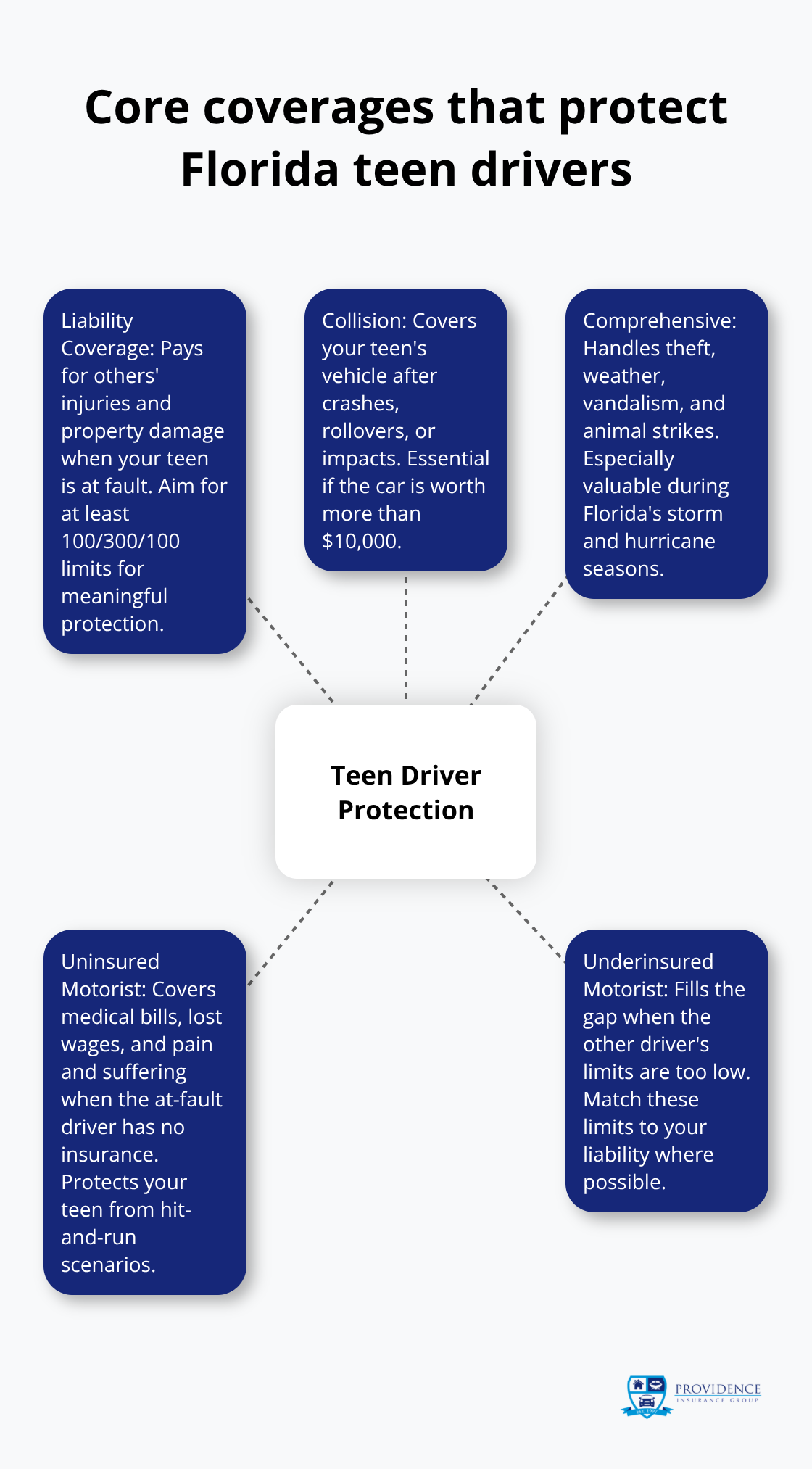
Liability coverage forms the foundation of any auto insurance policy, yet many Florida families misunderstand what it actually covers. Liability pays for damage your teen causes to someone else’s vehicle, property, or medical expenses when your teen is at fault. Florida’s minimum of 10/20/10 is dangerously low. A single accident where your teen hits another vehicle and injures the occupants can easily generate $50,000 to $100,000 in claims.
We recommend 100/300/100 limits at minimum, which costs only slightly more than the legal minimum but protects your family from catastrophic financial exposure. Teen drivers are statistically more likely to cause accidents, making adequate liability coverage non-negotiable. Many families increase to 250/500/250 limits for added security, especially if they have household assets worth protecting.
Collision and Comprehensive: Protecting Your Teen’s Vehicle
Collision and comprehensive coverage addresses damage to your teen’s own vehicle, not damage they cause to others. Collision covers accidents, rollovers, and impact with other vehicles, while comprehensive handles theft, weather, vandalism, and animal strikes. In Florida, comprehensive coverage is particularly valuable given hurricane season and severe thunderstorms that cause hail damage and flooding.
If your teen drives a vehicle worth more than $10,000, skipping collision coverage is a serious mistake. The repair costs from a single accident will far exceed the premium savings from dropping coverage. However, if your teen drives an older vehicle worth $5,000 or less, dropping collision and keeping comprehensive makes financial sense.
Uninsured and Underinsured Motorist Coverage: Your Safety Net
Uninsured and underinsured motorist coverage protects your teen when hit by a driver without adequate insurance or who flees the scene. Florida requires uninsured motorist coverage by law, with minimum limits of $10,000 in personal injury protection (PIP) and $10,000 property damage liability. This means your teen faces genuine risk of being hit by someone unable to pay for damages.
Uninsured motorist coverage pays for medical bills, lost wages, and pain and suffering when an uninsured driver causes an accident. Underinsured motorist coverage fills the gap when another driver’s liability limits prove insufficient for your teen’s actual damages. We recommend matching your underinsured motorist limits to your liability limits for consistent protection across all accident scenarios.
With the right coverage types in place, your next step involves finding practical ways to reduce what you pay. The following section explores discounts and strategies that lower insurance costs without sacrificing protection.
How to Cut Teen Auto Insurance Costs Without Cutting Coverage
Good Student Discounts and Safe Driver Programs
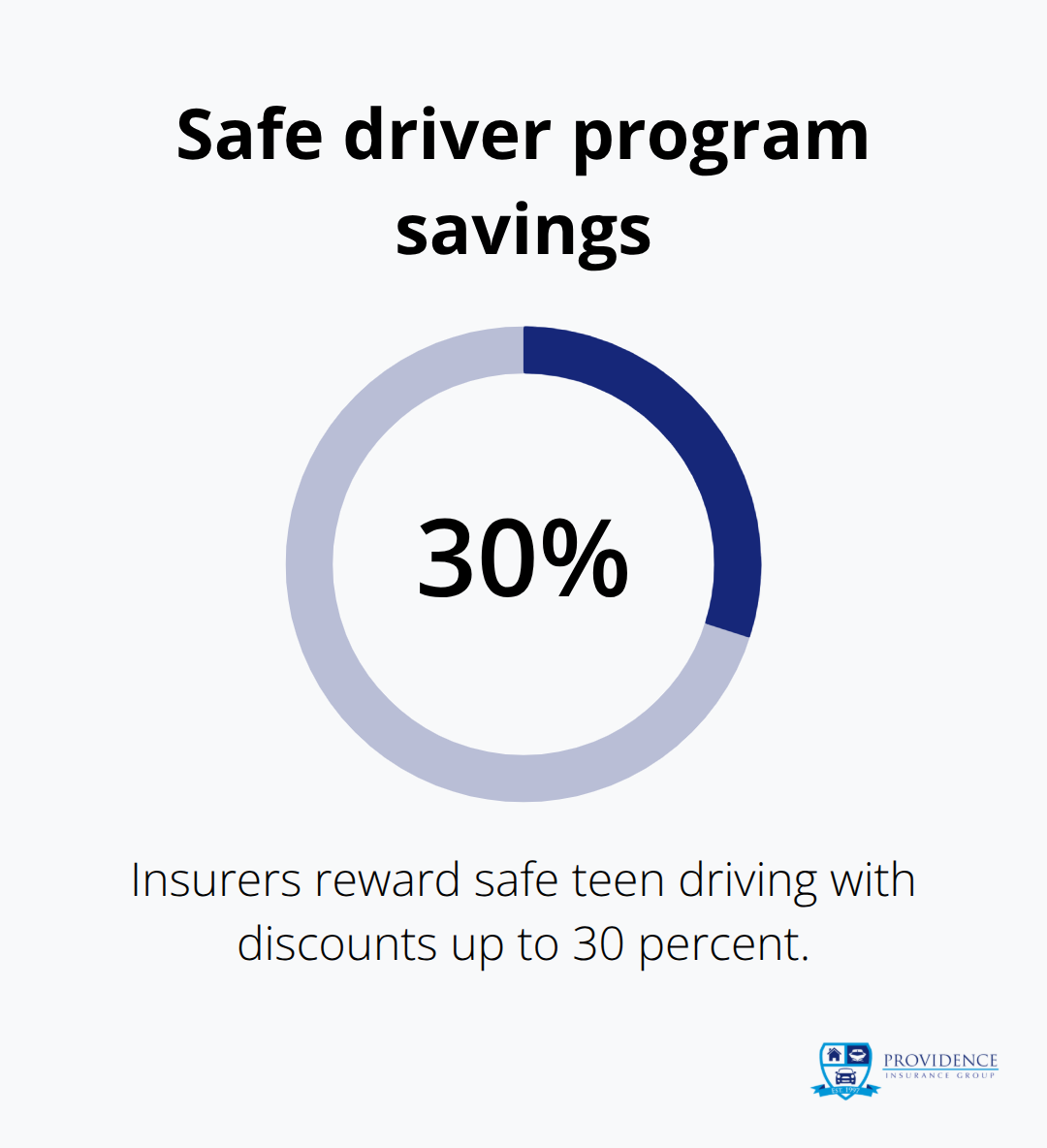
Good student discounts remain one of the easiest ways to lower premiums, yet many families never ask about them. Insurance companies offer discounts to teens maintaining a GPA of 3.0 or higher because academic performance correlates with responsible behavior. The discount typically ranges from 3 to 10 percent, which translates to $100 to $300 in annual savings depending on your base premium. Your teen needs a current report card or transcript showing the qualifying GPA to claim this discount. Safe driver programs monitor actual driving behavior through smartphone apps or plug-in devices that track acceleration, braking, and speed. Insurers reward safe driving with discounts up to 30 percent, which creates real incentive for defensive behavior behind the wheel.
Bundling Policies and Defensive Driving Courses
Bundling your teen’s auto policy with your homeowners or renters insurance typically saves 15 to 25 percent on the combined premium, making this the single most impactful cost reduction strategy available. A defensive driving course approved by Florida adds another 4 to 10 percent discount while actually improving your teen’s skills. Complete a course through the Florida Department of Highway Safety and Motor Vehicles, and your teen gets both lower rates and insurance points removed from their record if they earned a traffic citation.
Vehicle Selection and Safety Features
Vehicle choice matters significantly-insurance companies charge more for sports cars and high-performance vehicles because repair costs and accident rates are higher. A 2024 Honda Civic costs substantially less to insure than a Dodge Charger, even if both vehicles are the same model year. Safety features like automatic emergency braking, lane departure warnings, and backup cameras reduce accident risk and qualify for discounts of 5 to 15 percent. Before your teen drives any vehicle, verify that it includes modern safety technology (these systems genuinely prevent collisions and injuries while lowering insurance costs simultaneously).
Final Thoughts
Protecting your teen driver with proper Florida teen auto insurance requires understanding three critical elements: the right coverage types, Florida’s specific risks, and practical cost-reduction strategies. Liability coverage of at least 100/300/100 protects your family from financial devastation when your teen causes an accident. Collision and comprehensive coverage safeguard the vehicle itself, while uninsured motorist protection covers scenarios where other drivers lack adequate insurance.
Teens who maintain clean driving records and good grades qualify for discounts that compound over time, reducing lifetime insurance costs significantly. Safe driver programs reward responsible behavior with premium reductions up to 30 percent, creating incentive for habits that protect your teen’s life and your family’s finances. Bundling policies saves 15 to 25 percent immediately, while defensive driving courses add another 4 to 10 percent in savings.
An independent agent who understands Florida’s unique insurance landscape can help you navigate coverage options and identify savings opportunities you may have missed. At Providence Insurance Group, we compare rates and coverages from Florida’s top carriers side by side, customizing protection that actually fits your family’s situation. Contact us to review your teen’s coverage today.
Disclaimer: The information provided in this blog is for general informational purposes only and does not constitute legal, financial, or insurance advice. Coverage options, terms, and availability may vary. Please consult with a licensed professional for advice specific to your situation